

The history of casinos: How gambling evolved through the ages
Early Beginnings of Gambling
The concept of gambling dates back thousands of years, with evidence suggesting its roots in ancient civilizations. Archaeological findings indicate that the earliest forms of gambling were prevalent in Mesopotamia as early as 3000 BC. These ancient societies engaged in various games of chance, often using rudimentary dice made from materials such as bone or wood. The excitement and thrill of risking something of value have been part of human nature since these early times, highlighting how gambling has always been a significant form of entertainment.
As time progressed, gambling practices evolved throughout different cultures. The Chinese developed games such as Keno during the Han Dynasty, around 200 BC, while the Greeks and Romans incorporated betting into their social activities. This early admiration for games of chance laid the groundwork for what we now recognize as casinos today.
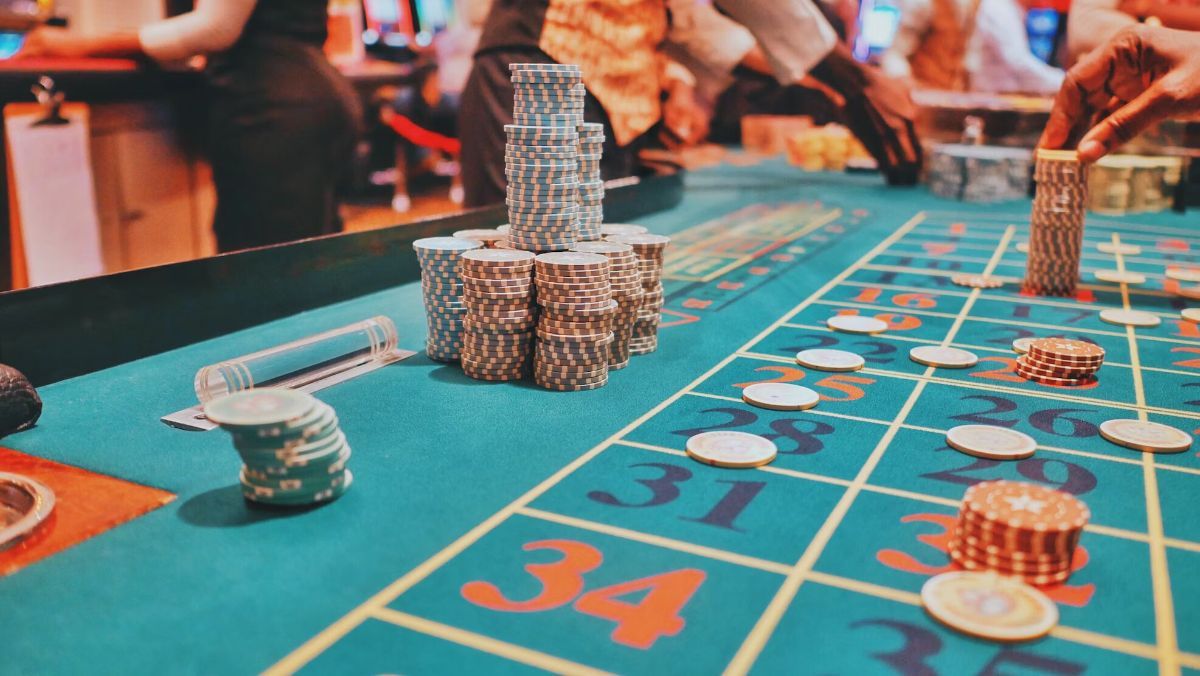
The Birth of Modern Casinos
The first official casinos, as we know them, began to emerge in the 17th century. The Casino di Venezia, located in Italy, is credited as the oldest gaming house still in operation. Initially serving as a place for genteel society to gather, this establishment began to allow gambling, culminating in an explosion of interest. During this period, the word “casino” started to take its modern meaning, evolving from the Italian word for a small house or villa where leisure activities were enjoyed.
In the following century, the concept of casinos spread across Europe, culminating in the establishment of more refined gaming establishments in cities like Paris and Monte Carlo. The glamorous environment of these casinos attracted the wealthy, setting the stage for the emergence of gambling as a hallmark of high society.
Gambling in America: The Wild West and Beyond
As European settlers arrived in America, they brought their gambling traditions with them. The early days of American gambling were wild and untamed, especially during the Gold Rush of the mid-19th century. Miners and adventurers flocked to establishments that offered games like poker and faro, leading to the proliferation of gambling halls in mining towns. These places served as social hubs, combining gambling with entertainment and alcohol, ultimately shaping the culture of gambling in the United States.

The establishment of Las Vegas in the 20th century revolutionized the gambling industry. As Nevada legalized gambling in 1931, Las Vegas quickly transformed into a mecca for casino-goers. The opening of lavish resorts like the Flamingo brought glamour and large-scale gaming to the forefront, making Vegas synonymous with the casino experience. This period saw the rise of reputable establishments that began to play a vital role in the economy.
The Digital Age of Gambling
The advent of the internet in the late 20th century marked a significant turning point for gambling. Online casinos emerged in the mid-1990s, offering players the ability to gamble from the comfort of their homes. This new dimension expanded the reach of gambling beyond traditional brick-and-mortar establishments, attracting a diverse demographic. The accessibility and convenience of online gaming contributed to its rapid growth, establishing a new era for casinos.
Regulations and legal frameworks developed alongside this boom. Regions began to adapt their laws to accommodate and regulate online gambling, leading to a more secure environment for players. Today, platforms like best payout online casino canada exemplify the seamless integration of technology and gaming, highlighting the evolution of gambling in a digital world.
Embracing the Future of Gambling
As we look to the future, the casino industry continues to evolve, driven by technological advancements and changing consumer preferences. Nowadays, innovations such as virtual reality and blockchain technology are poised to change the landscape of gambling yet again. These technologies offer enhanced user experiences, ensuring that casinos can adapt to the expectations of a new generation of players.
Establishments are also focusing on responsible gambling measures, promoting safer gaming environments. As the industry progresses, the intertwining of tradition and innovation promises to redefine what casinos mean for future generations, maintaining the engaging allure that has captivated players for centuries.