

The psychology behind your next casino win
The allure of gambling
The world of gambling captivates millions with its bright lights, alluring sounds, and the promise of quick rewards. This psychological allure is deeply rooted in human behavior. At its core, gambling plays on the desire for excitement and the thrill of risk-taking. The anticipation of winning creates a rush of adrenaline that can be addictive, motivating players to return for more. This environment is carefully designed to stimulate the brain’s reward system, making it both enticing and difficult to resist. Many players enjoy the experience at Betgrouse casino for its exciting offerings.

Moreover, the social aspects of gambling contribute to its appeal. Many people find joy in the communal experience of playing games with friends or strangers, sharing the highs and lows of wins and losses. This interaction creates a sense of belonging and can enhance the overall gaming experience, encouraging players to engage more frequently in casino activities.
The role of cognitive biases
Cognitive biases significantly influence how players perceive their chances of winning. One common bias is the illusion of control, where individuals believe they can influence the outcome of a game, even when it is purely based on chance. This belief can lead to increased participation and investment in time and money, as players feel empowered to chase their wins.
Another prevalent cognitive bias is the gambler’s fallacy, where individuals assume that past outcomes affect future results. For instance, if a particular slot machine hasn’t paid out recently, players may believe it is “due” for a win. This misconception can drive players to continue gambling despite losses, perpetuating the cycle of hope and disappointment.
Emotions and gambling
Emotions play a critical role in the psychology of gambling. The highs of winning can create feelings of euphoria, reinforcing the behavior and leading individuals to take greater risks in hopes of replicating that feeling. Conversely, the lows experienced during losses can lead to feelings of frustration and despair, which may cause players to gamble more in an attempt to recover their losses.
This emotional rollercoaster can create a compelling cycle, where players chase the highs and attempt to mitigate the lows. Understanding these emotional triggers can help individuals make more informed decisions when gambling, potentially leading to healthier gaming habits.
The impact of environment
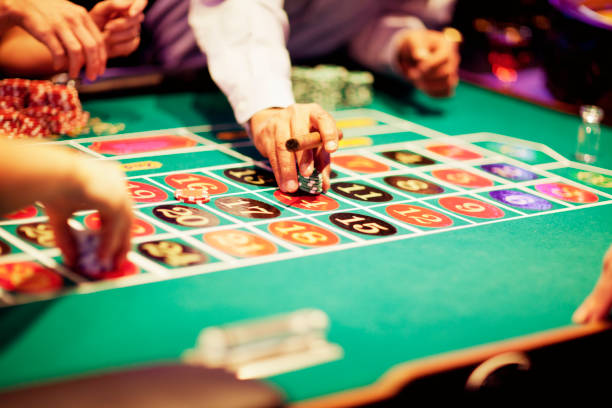
The physical environment of a casino is meticulously designed to enhance the gambling experience. From the layout of the gaming floor to the lighting and sound, every element is crafted to encourage players to spend more time and money. Bright colors, enticing music, and the absence of clocks create an immersive experience that can easily distort a player’s sense of time and money.
Additionally, the positioning of games and promotional signage further influences player behavior. Casinos often place high-payout games in prominent areas to attract attention, leading players to believe their chances of winning are higher. This strategic design taps into psychological principles, making it easier for players to become enveloped in the gaming atmosphere and lose track of their original intentions.
BetGrouse: Your gaming partner
At BetGrouse, the focus is on providing an engaging gaming experience while understanding the psychological factors that can influence play. With a diverse selection of high-quality games, players can enjoy various options tailored to their preferences and emotional needs. The platform is designed to reward loyalty, enhancing the overall experience and helping players find joy in their gaming journey.
Furthermore, BetGrouse emphasizes responsible gaming practices, offering resources and support for players to manage their gambling habits effectively. By fostering a safe and enjoyable environment, BetGrouse aims to be a trusted partner in your quest for entertainment and potential wins, ensuring that your next casino experience is both thrilling and mindful.